

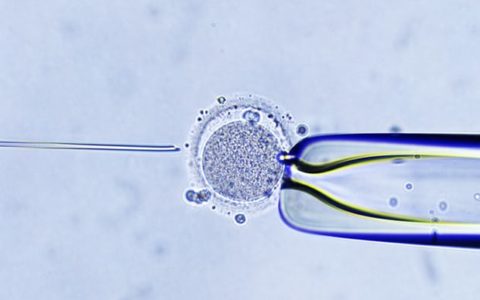
Six ways IVF changed the world – from Louise Brown to stem-cell research
The first ‘test-tube’ baby turns 40 this month, but the impact of in vitro fertilisation extends far beyond solutions to fertility problems
Read moreThe first ‘test-tube’ baby turns 40 this month, but the impact of in vitro fertilisation extends far beyond solutions to fertility problems
Read more
Babies born to mothers with cardiometabolic risk factors were less likely to develop high blood pressure if their mothers had higher levels of folate during pregnancy.
Read more
Research into a genetic mutation causing some men to be infertile shows that an important protein in the sperm that is a key component of the egg fertilization process, known as phospholipase C zeta (PLC-zeta), is ineffective in these individuals.
Read more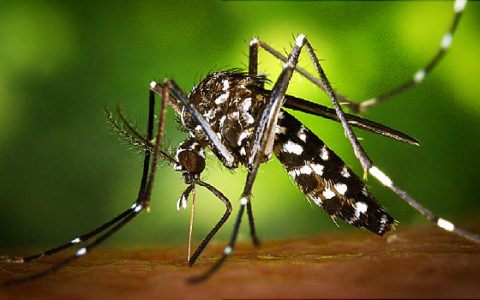
The Zika virus reduces the size of testes in infected mice up to 21 days after infection, according to a recent study.
Read more
Men who exercise with high-intensity workouts on a regular basis tend to have lower libidos than those who follow lower-intensity workout regimes, a new study found.
Read more
A team of scientists in Massachusetts has noted that the antimullerian hormone (AMH) could prevent chemotherapy-induced ovarian damage.
Read more
A little running can help your little swimmers. If you’re a man who spends a little more time on the couch than you want to admit, and you’re planning to start trying for a baby soon, here’s some advice: Exercise could significantly improve the quality of your sperm. Specifically, moderate steady state cardio like jogging
Read more
An article has just been published this month in the prestigious European fertility journal Human Reproduction asking the surprising question if having sex in an IVF cycle around egg retrieval and embryo transfer increases pregnancy rates.
Read more


